Skip to content
Matutina achachairu
Menu
Request a quote
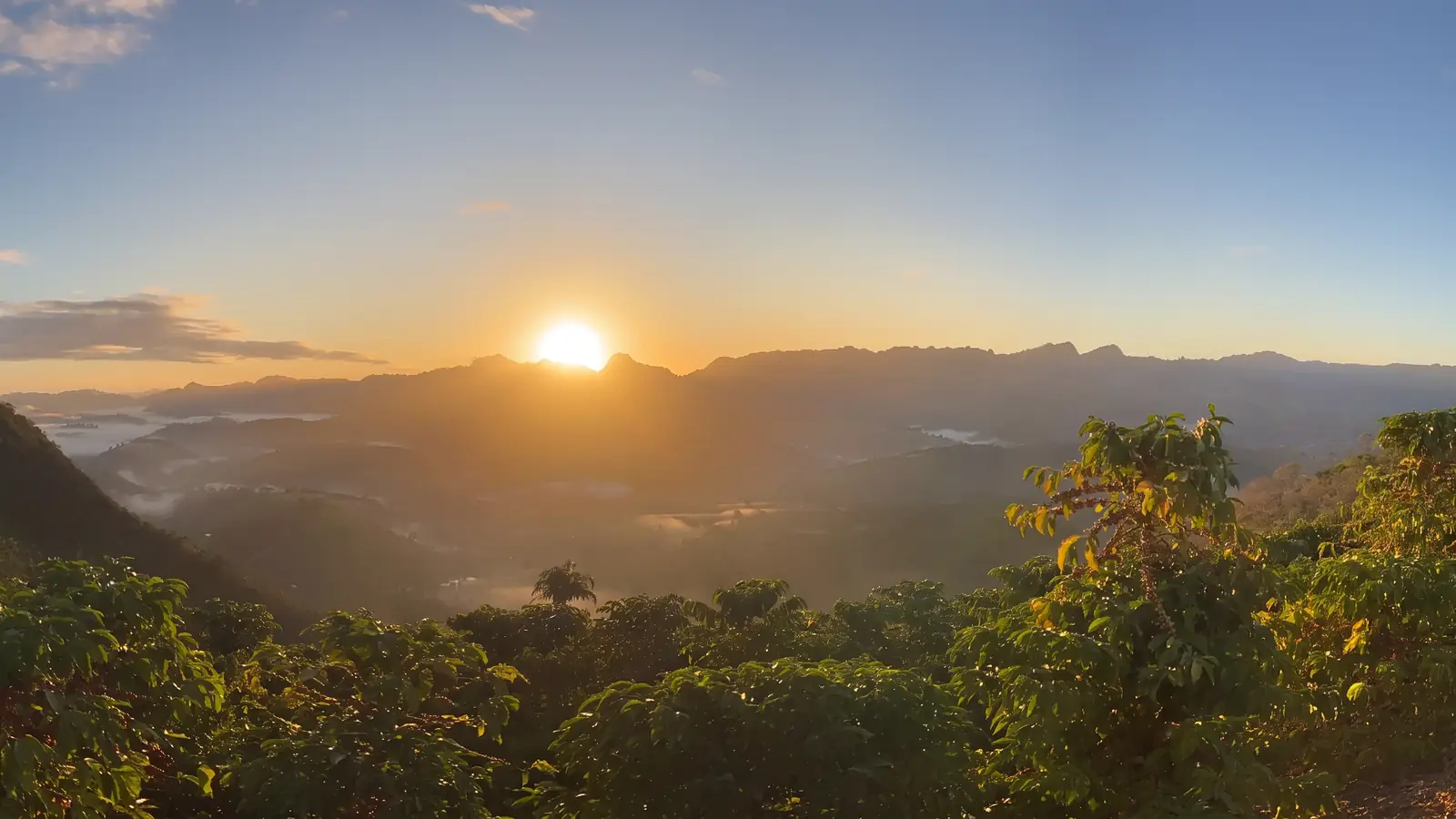
The sun rising behind the mountains, seen from the top of the Matutina farm in Itarana, with mist in the valleys.

Grower and exporter

Achachairu,
from the mountains of Espírito Santo to the world.

Request a quote
  • 5,000trees today, heading for 20,000 by 2030
  • 18hectares of orchard
  • February to Aprilone harvest a year
  • 10countries already supplied
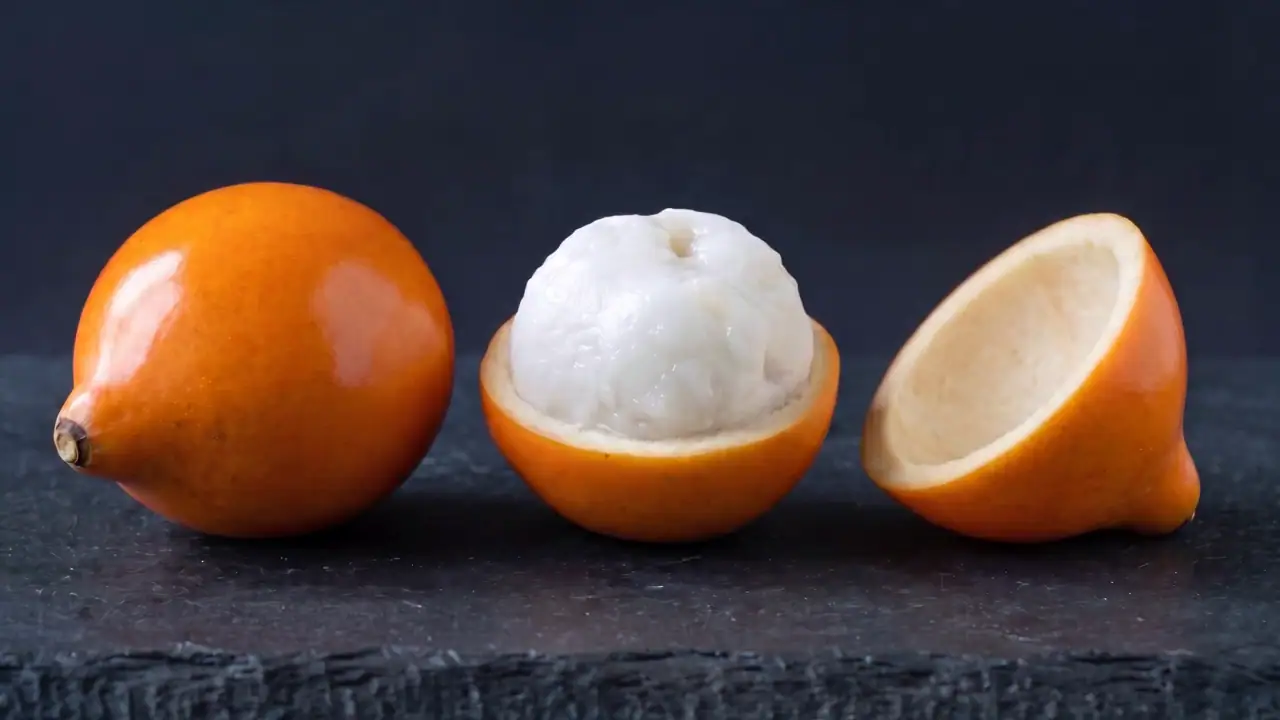
A whole achachairu next to an open one: the orange skin split in half and the white pulp showing.

The fruit

Achachairu

Firm skin

Orange, smooth and firm on the outside. It protects the fruit and is what makes it travel well.

Opens by hand

Just break the skin: it splits in half, no knife needed.

White pulp

Soft and juicy, loose from the skin, with a seed in the middle.

Honey kiss

That is what achachairu means in Guarani. Sweet, with a citrus touch.

The other name

One fruit, two names.

In Bolivia and Brazil it is called achachairu, a Guarani word meaning honey kiss. Abroad, especially in Europe, the name arrives shortened: without its last three letters, the fruit is sold as achacha.

It is the same fruit. Why the fruit has two names.

Why it is rare

Seven years to the first fruit. Three months of harvest a year.

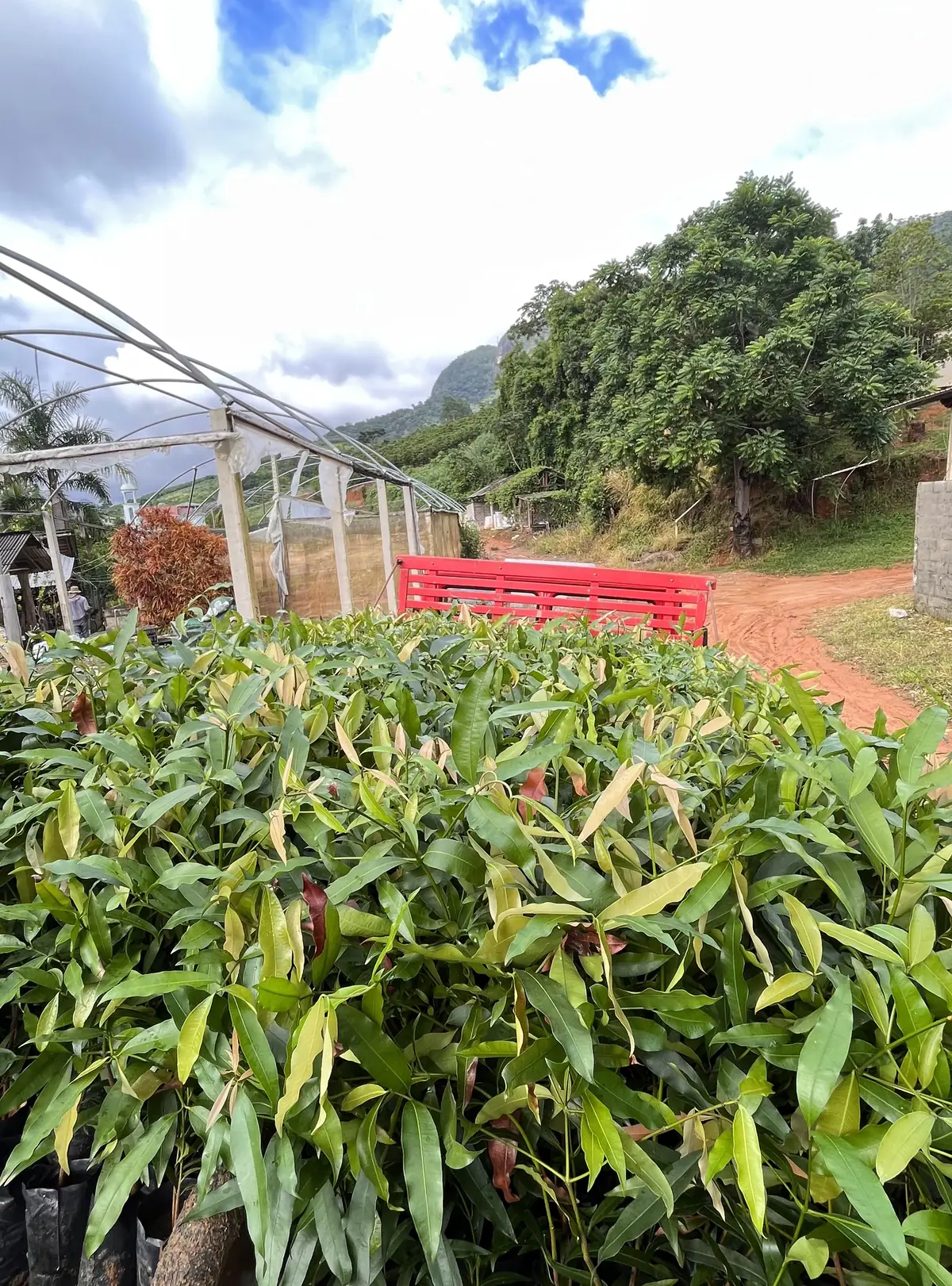
Achachairu seedlings in plastic bags at the Matutina nursery.
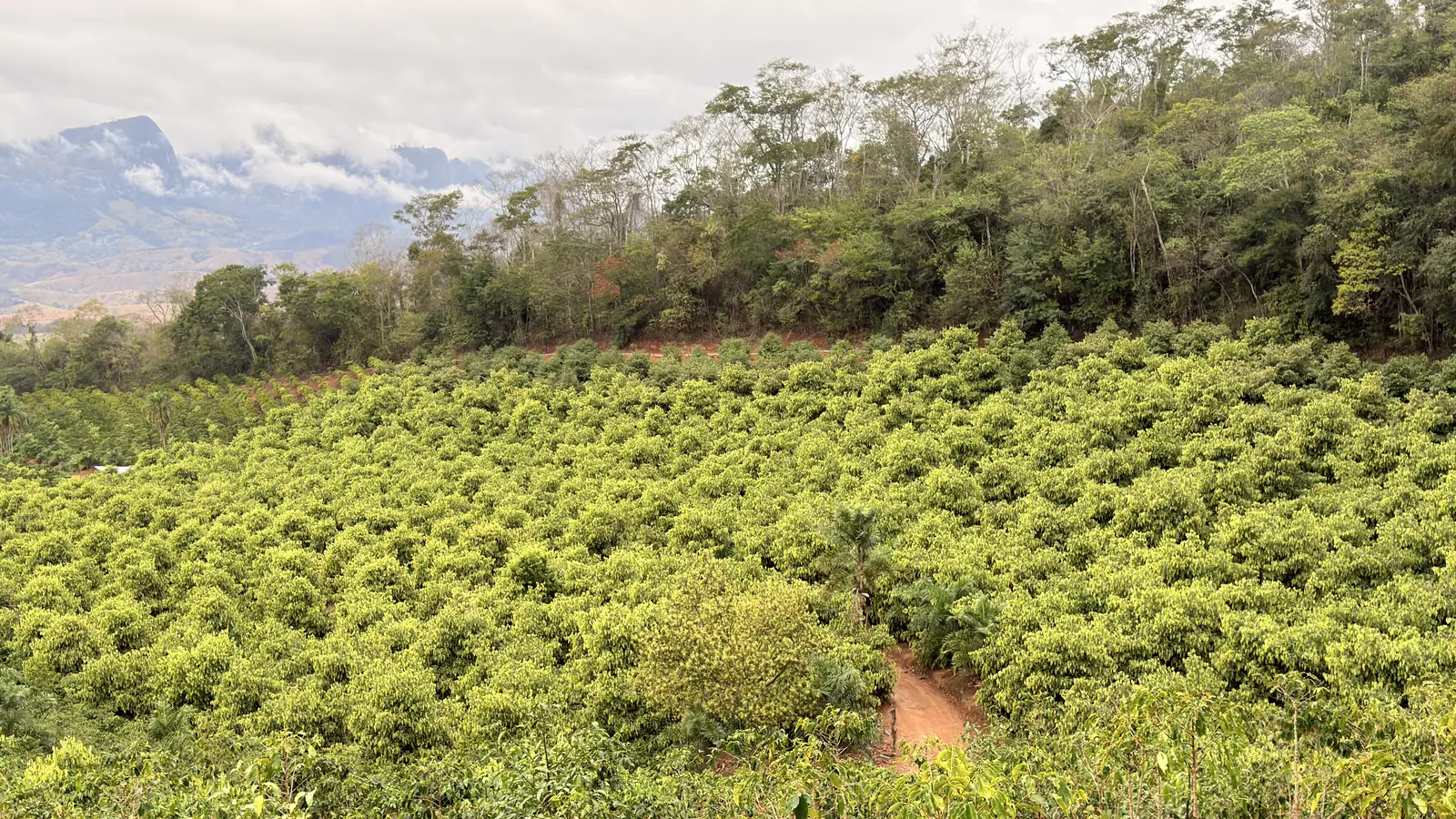
The Matutina orchard seen from above: rows of achachairu covering the hill, with the mountains of Itarana behind.
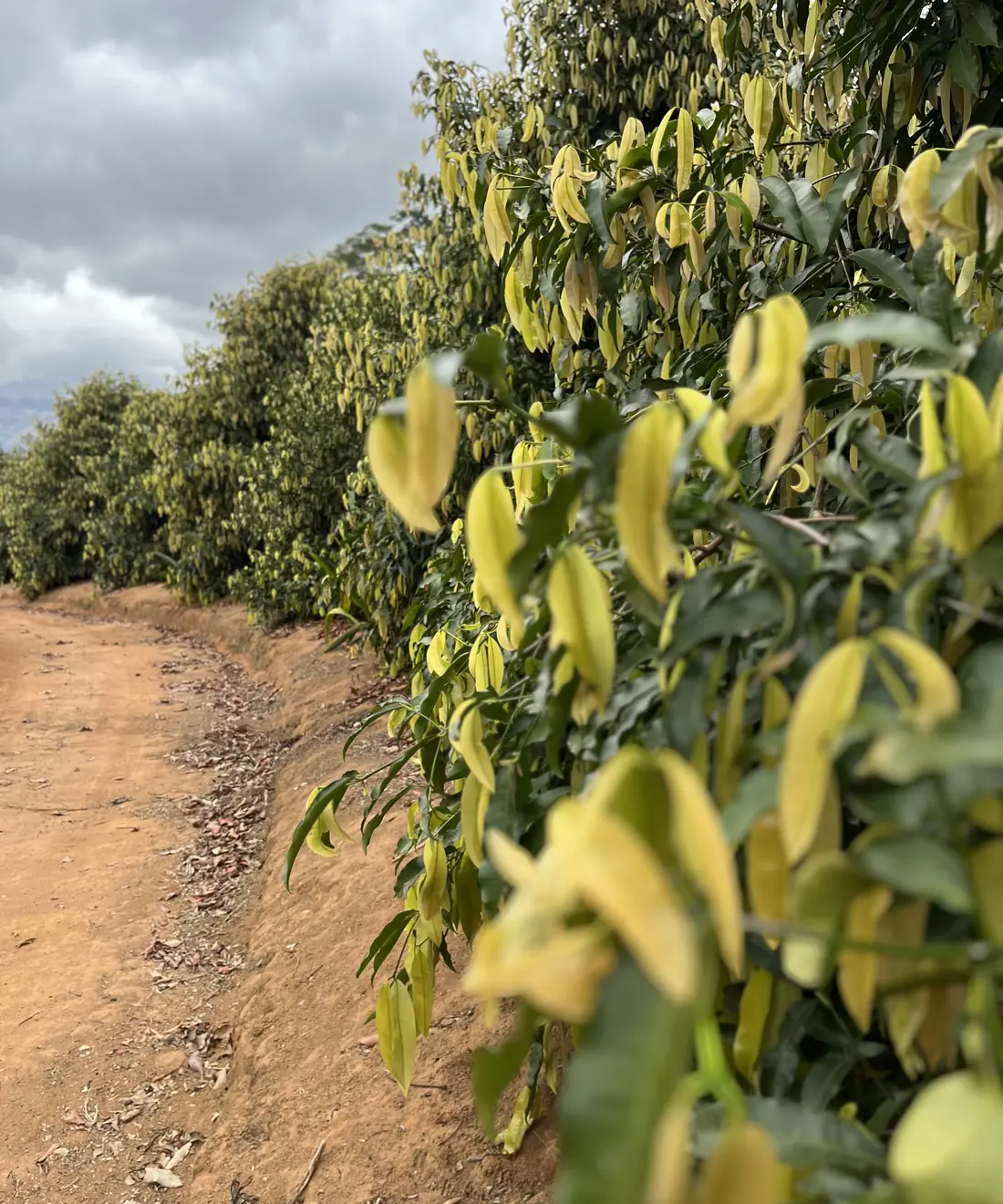
A row of achachairu trees beside a dirt track in the Matutina orchard.
A cluster of pale-petalled achachairu flowers on a branch in the orchard.
A cluster of ripe orange achachairus hanging among the leaves.
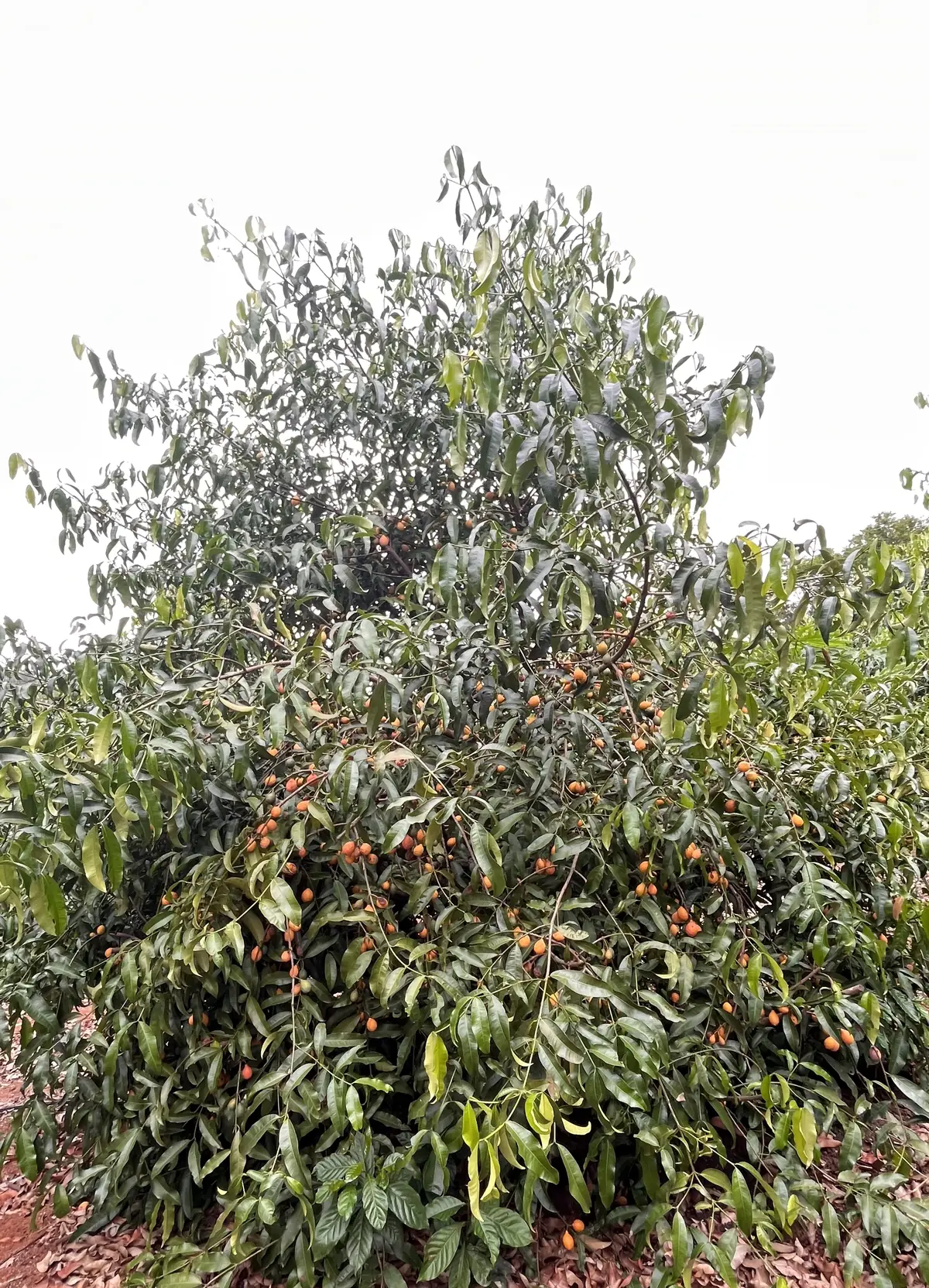
A fully grown achachairu tree in the Matutina orchard.

A mature orchard is something money cannot hurry

7 years to the first harvest.

The seedling goes into the field.

The tree grows slowly. Still no fruit.

In the seventh year, the first harvest.

Today there are 5,000 trees on 18 hectares, in the district of Matutina. The forecast is 20,000 trees by 2030.

From tree to box
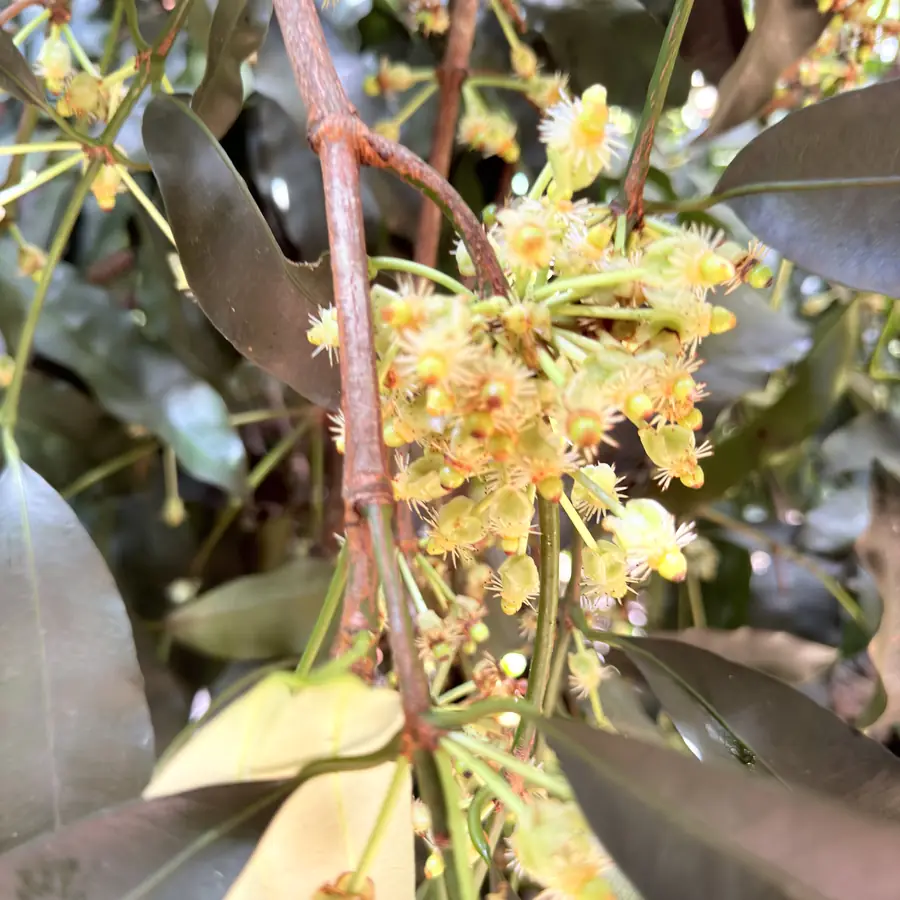
A whole year for a three-month harvest.

  • A cluster of pale-petalled achachairu flowers on a branch in the orchard.

    The flowering

    The flowers come out in clusters, straight from the branches.
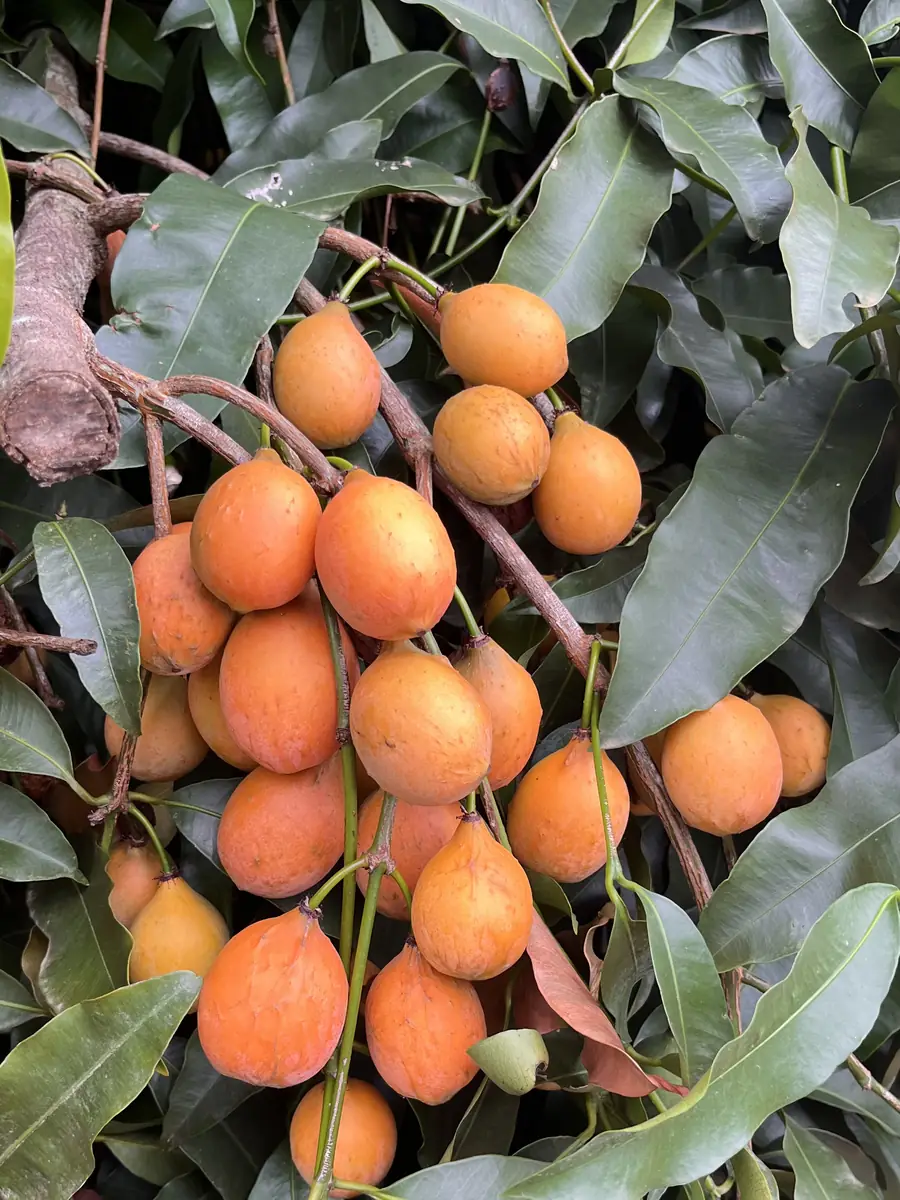
  • A cluster of ripe orange achachairus hanging among the leaves.

    On the tree

    The fruit ripens on the tree, from green to orange.
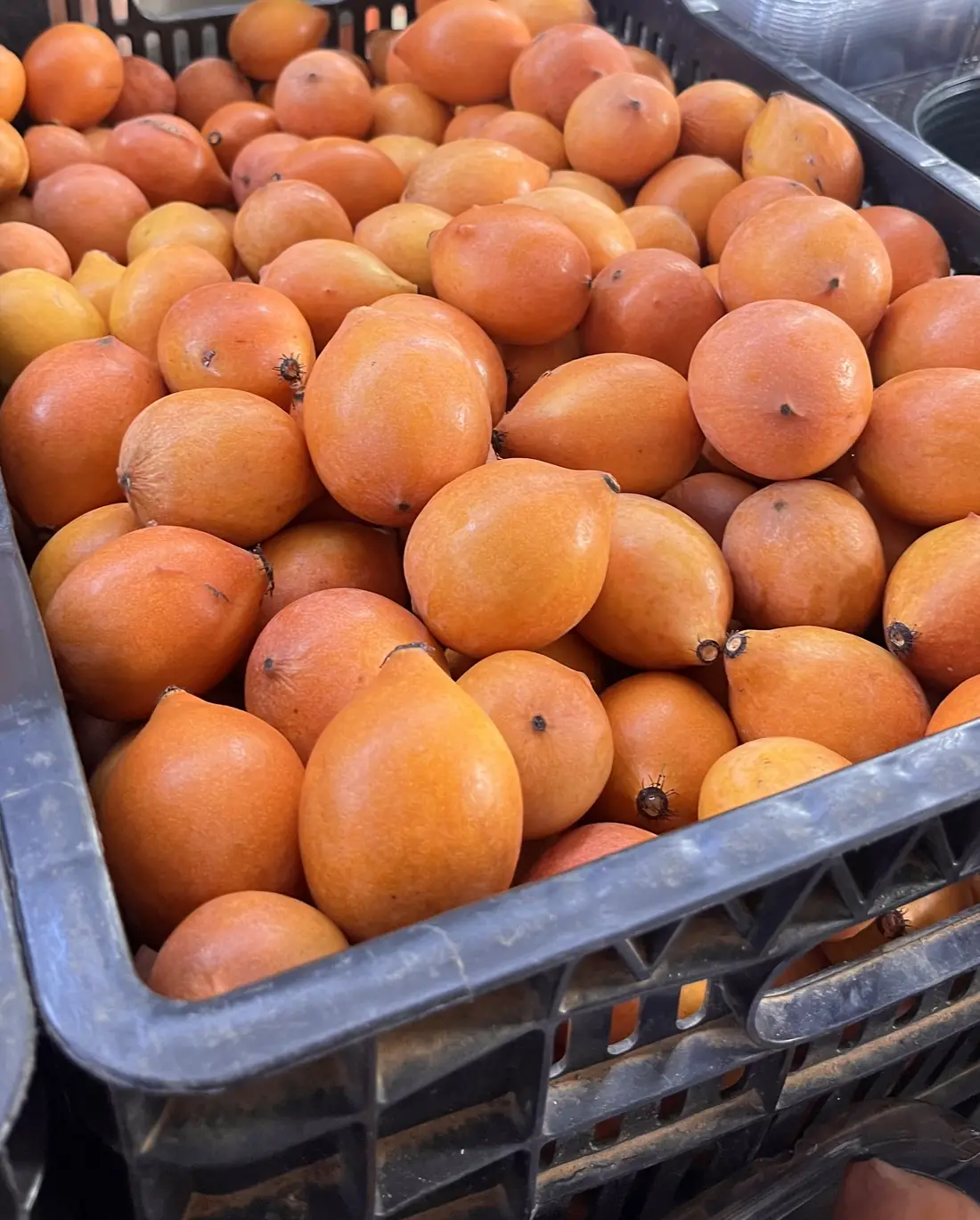
  • A harvest crate full of ripe orange achachairu.

    The harvest

    From February to April, the crates come in full from the orchard.
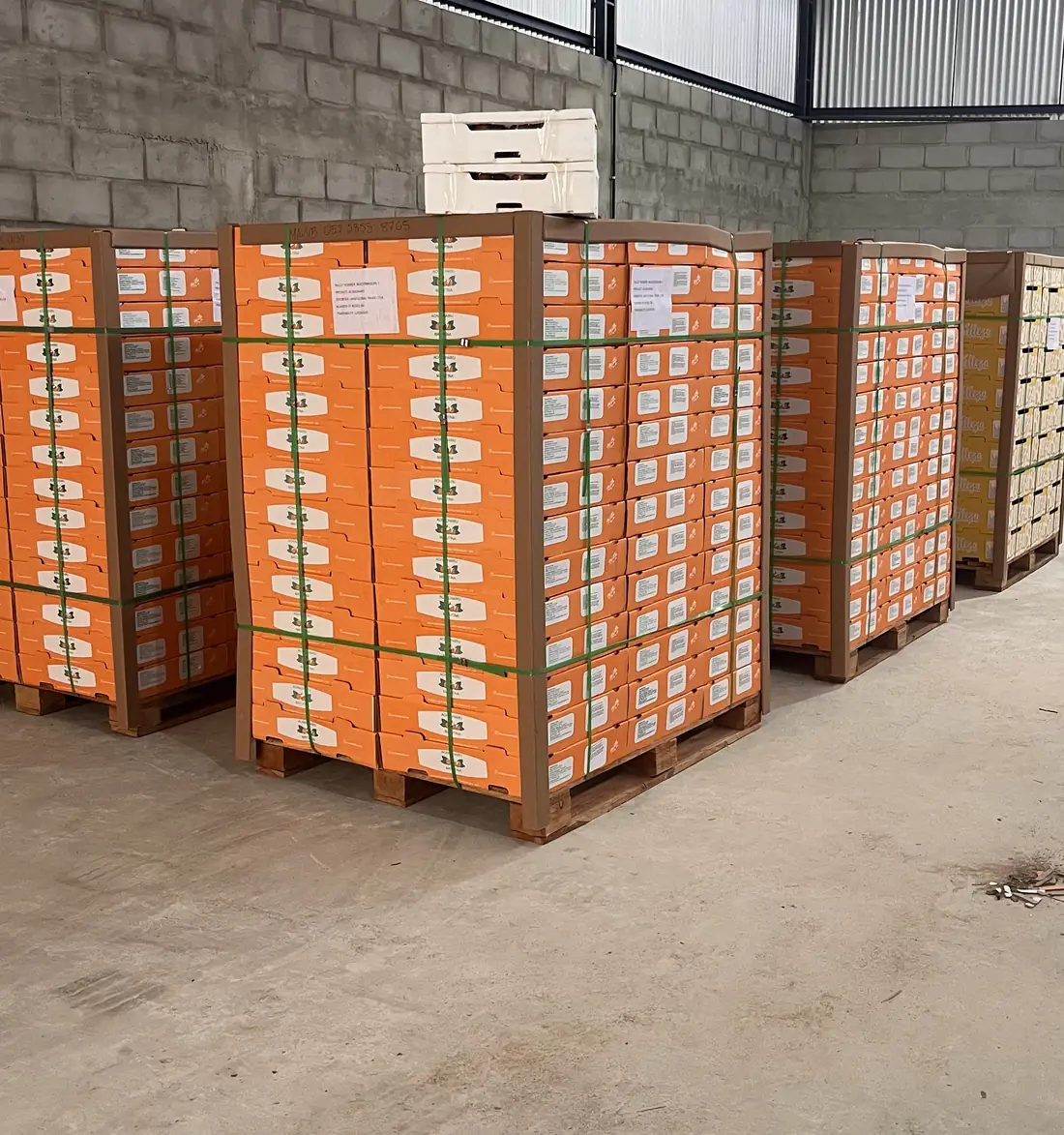
  • Pallets of orange Matutina boxes in the packing house in Itarana.

    At the packing house

    In Itarana, the fruit is packed and shipped across Brazil and abroad.

Quality checked

Audited in the orchard. Certified for the world.

The orchard and the packing of the fruit went through an on-site audit by QIMA, a certification body accredited by GLOBALG.A.P., the international standard for good agricultural practice.

GLOBALG.A.P. IFA

Good agricultural practices

Food safety, traceability from tree to box, care for the environment and for the people who work here, checked in the field and in packing.

  • Certificate 180259
  • Harvest and packing included

GRASP

Social practices

Assessment of working conditions, including interviews with workers. Family-owned farm.

  • Letter of conformance 180263
  • Same audit, same GGN

At grading, good fruit is:

  • Rounder, even at the tip
  • Smooth-skinned
  • Deep orange, no blemishes
  • Glossy
  • High Brix: more sugar

Request a quote

BoliviaItaranaVitóriaNetherlands, France, Switzerland, Germany, Spain, United KingdomCanadaKuwait, United Arab EmiratesCambodiaOther countries on requestEurope: 6 countriesMiddle East and Asia
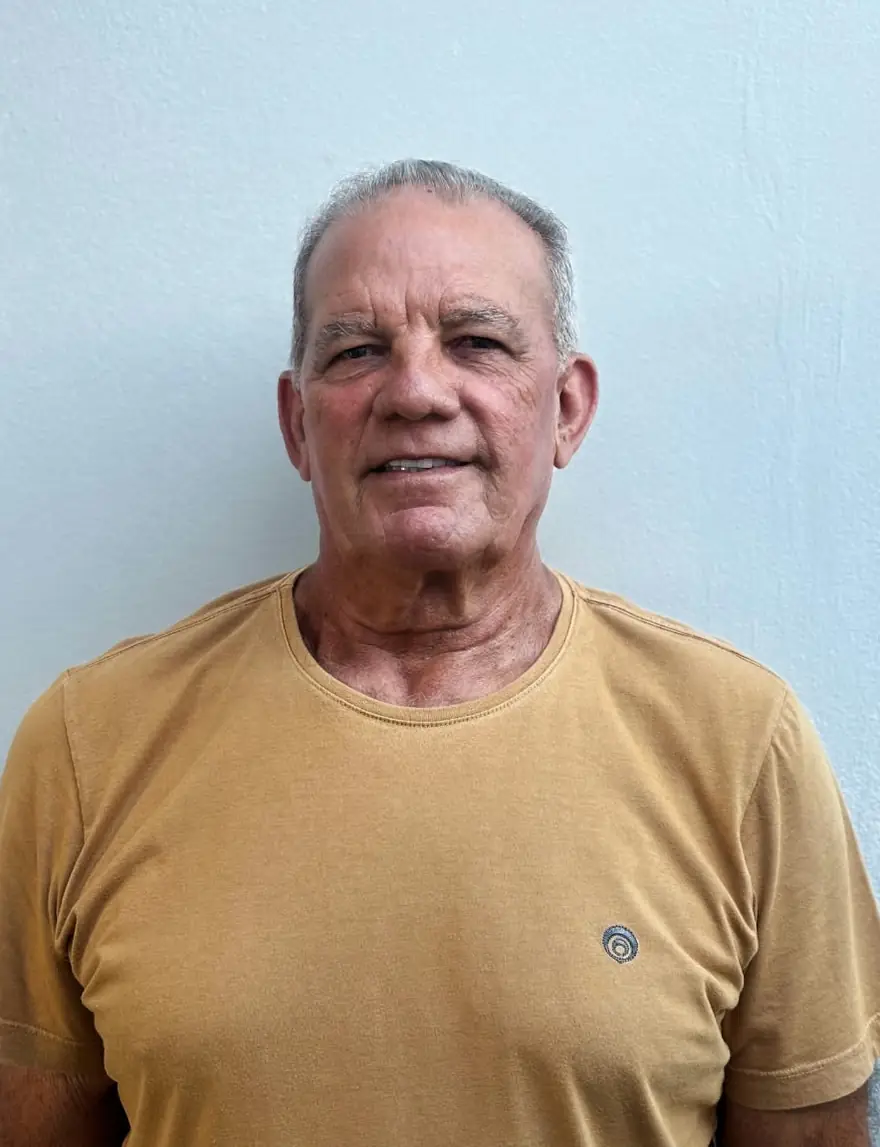
Portrait of Abel Basílio's mother, smiling
Euzilane, Abel's mother
Portrait of Abel Basílio's father
Elias, Abel's father
Abel Basílio and his wife on a business trip in Europe, in front of the Arc de Triomphe in Paris.
Abel and his wife, Yulli, on a business trip in Europe.

From Bolivia to Itarana

More than 25 years ago, a relative brought seeds from Bolivia. Native to the Bolivian Amazon, the fruit found a place where it thrived in the tropical climate of the Itarana hills.

It was the parents who started it

It started small. Abel, his father and his mother did everything: one whole day harvesting, the next packing, under a tent in the yard behind the house.

The fruit was still unknown in Brazil, and someone had to introduce it.

Itarana, two in the morning

“I left home at 2 a.m. and went to a street market in Vitória.”

Abel Basílio

It was the first harvest, and nobody knew the fruit yet. He went to introduce it to the public himself.

From then on, the family took on the work of building the achachairu market from scratch and taking the fruit to Brazil and the world.
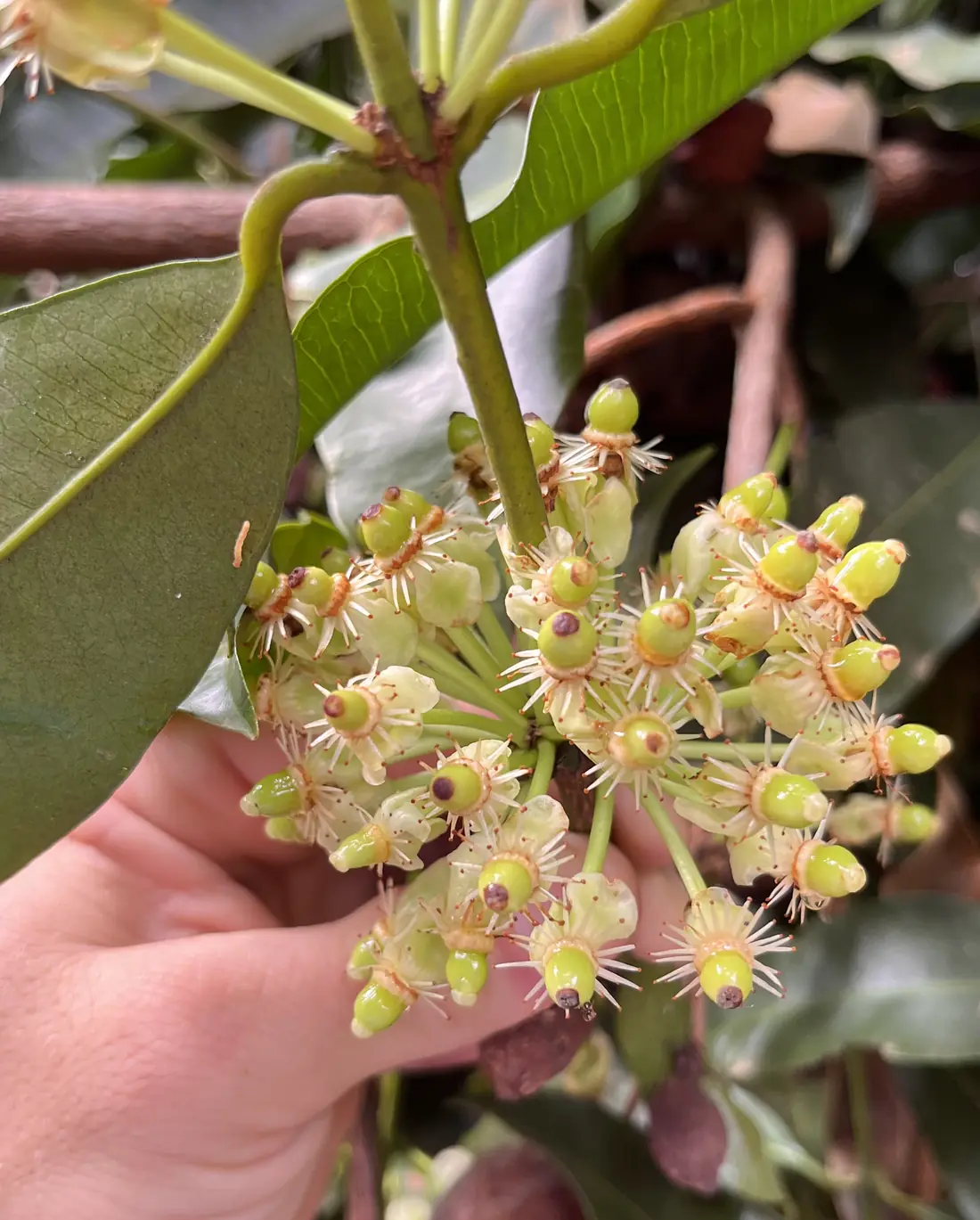
A cluster of pale-petalled achachairu flowers on a branch in the orchard.

Season

One harvest a year, from February to April.

No peaks across the three months. There is no minimum booking period, but supply is limited: those who book first get priority.
See the season

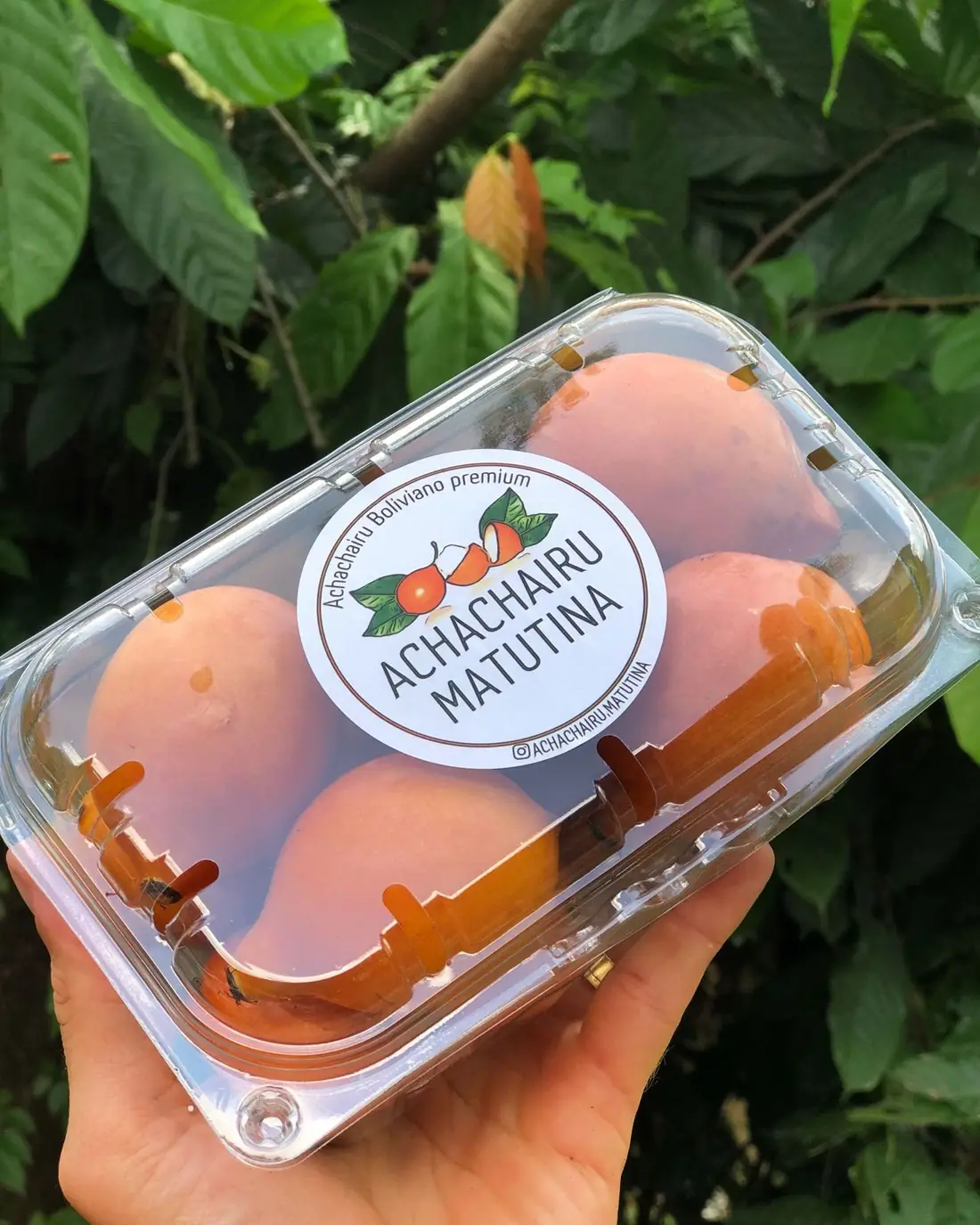
A hand holding a clear tray with four ripe Matutina achachairus, against the leaves of the orchard.

For buyers

From the orchard to wholesale and retail.

Packaging
Loose box or box of 4 trays
Weight
4 kg loose; 700 g per tray
Size
3 to 5 cm
Minimum order
1 pallet (168 boxes), can be mixed

Request a quoteTerms for buyers

Abel Basílio interviewed at the Brazil pavilion of a fruit fair in Europe.

Where it goes

From Espírito Santo to the rest of Brazil and abroad.

Within Brazil
Southeast by carrier or own transport; other states via the Ceasas
Export
Direct, by air: 10 countries in Europe, Canada, the Middle East and Asia. Others on request
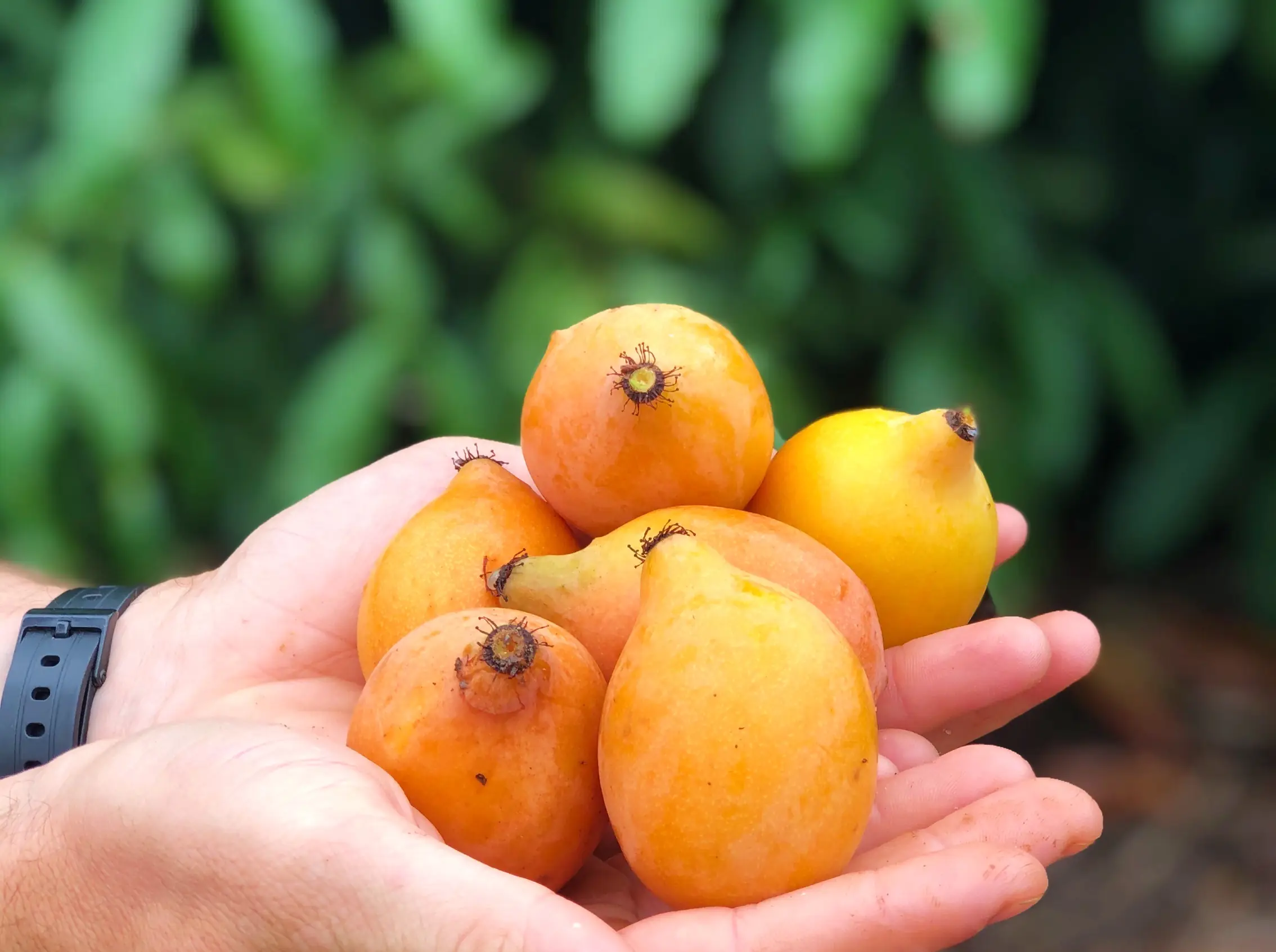
Cupped hands holding five ripe achachairu in the Matutina orchard.

Talk to Matutina

Wholesale, retail and export. We reply within 24 hours.

Request a quote
WhatsAppRequest a quote