GLOBALG.A.P. IFA
Good agricultural practices
Food safety, traceability from tree to box, care for the environment and for the people who work here, checked in the field and in packing.
- Certificate 180259
- Harvest and packing included
 Request a quote
The fruit
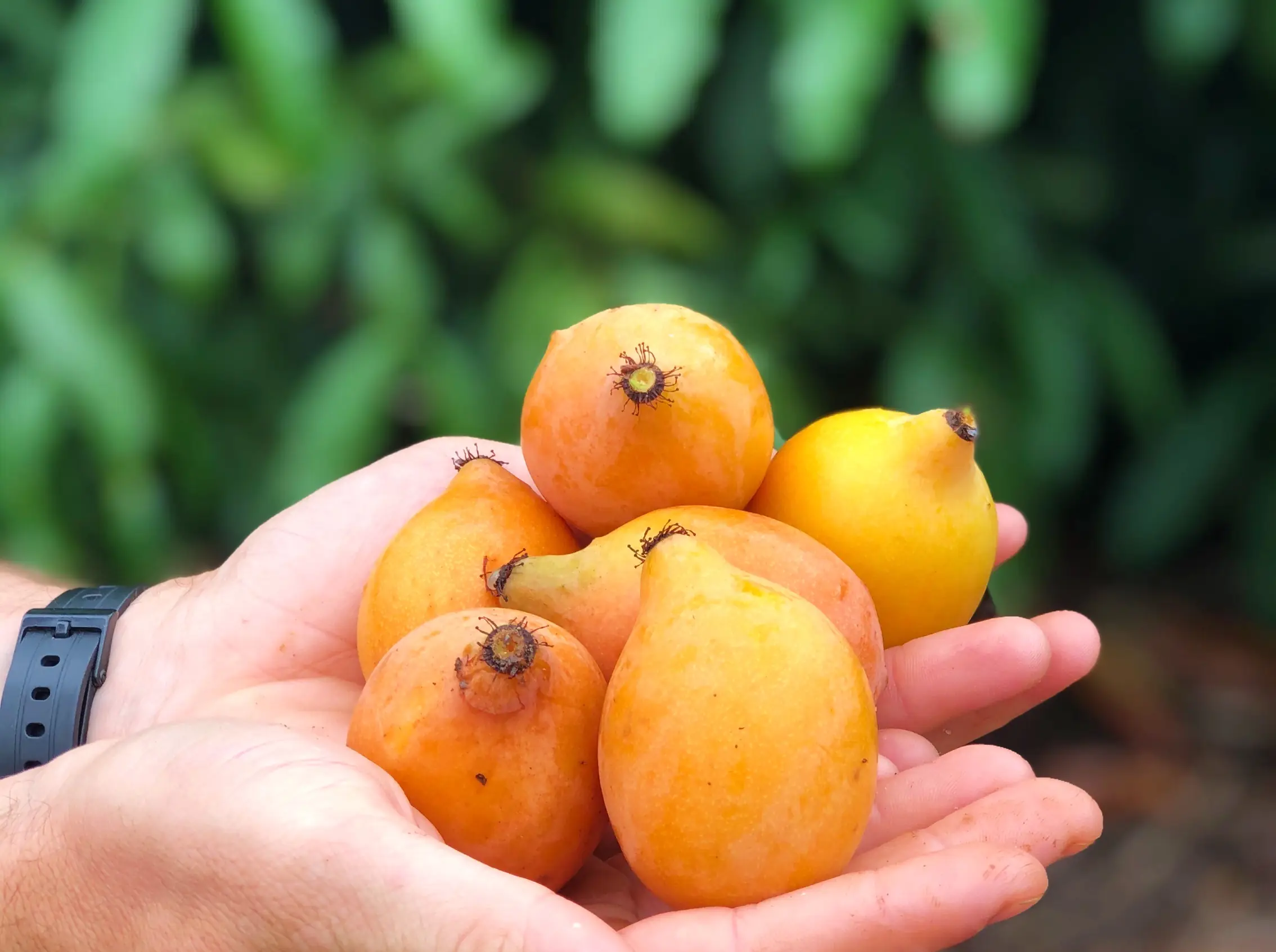
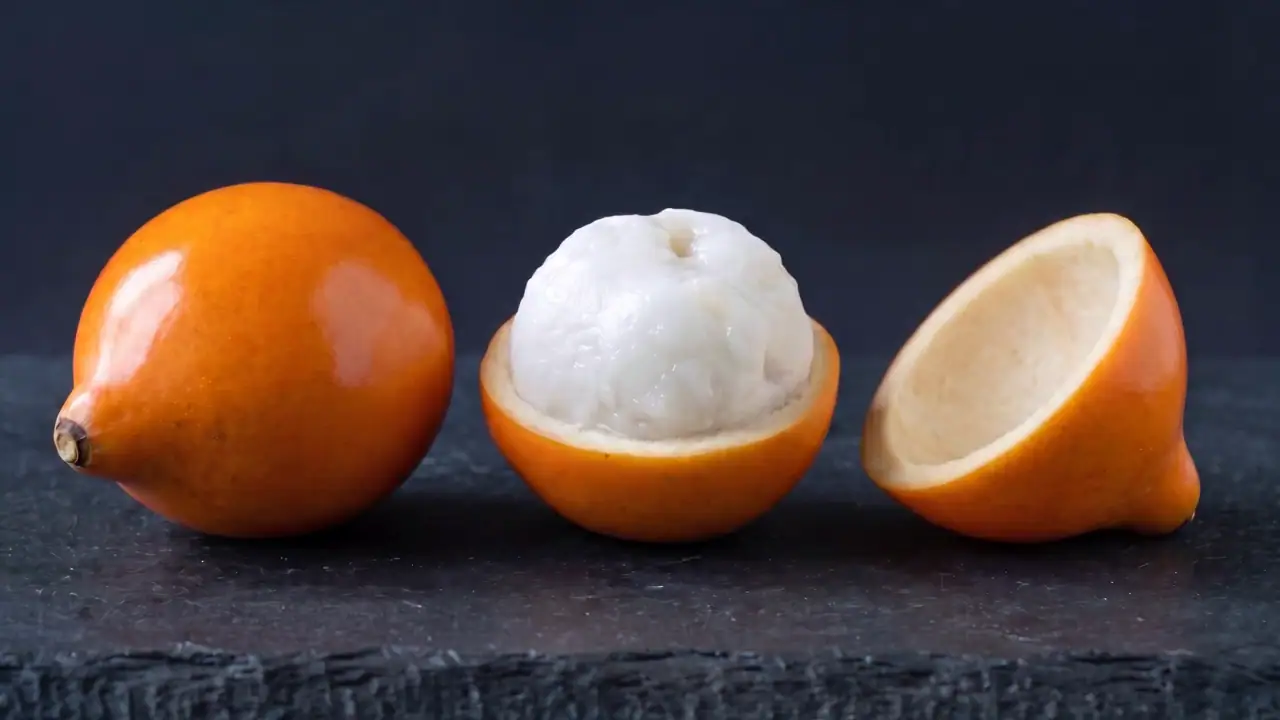
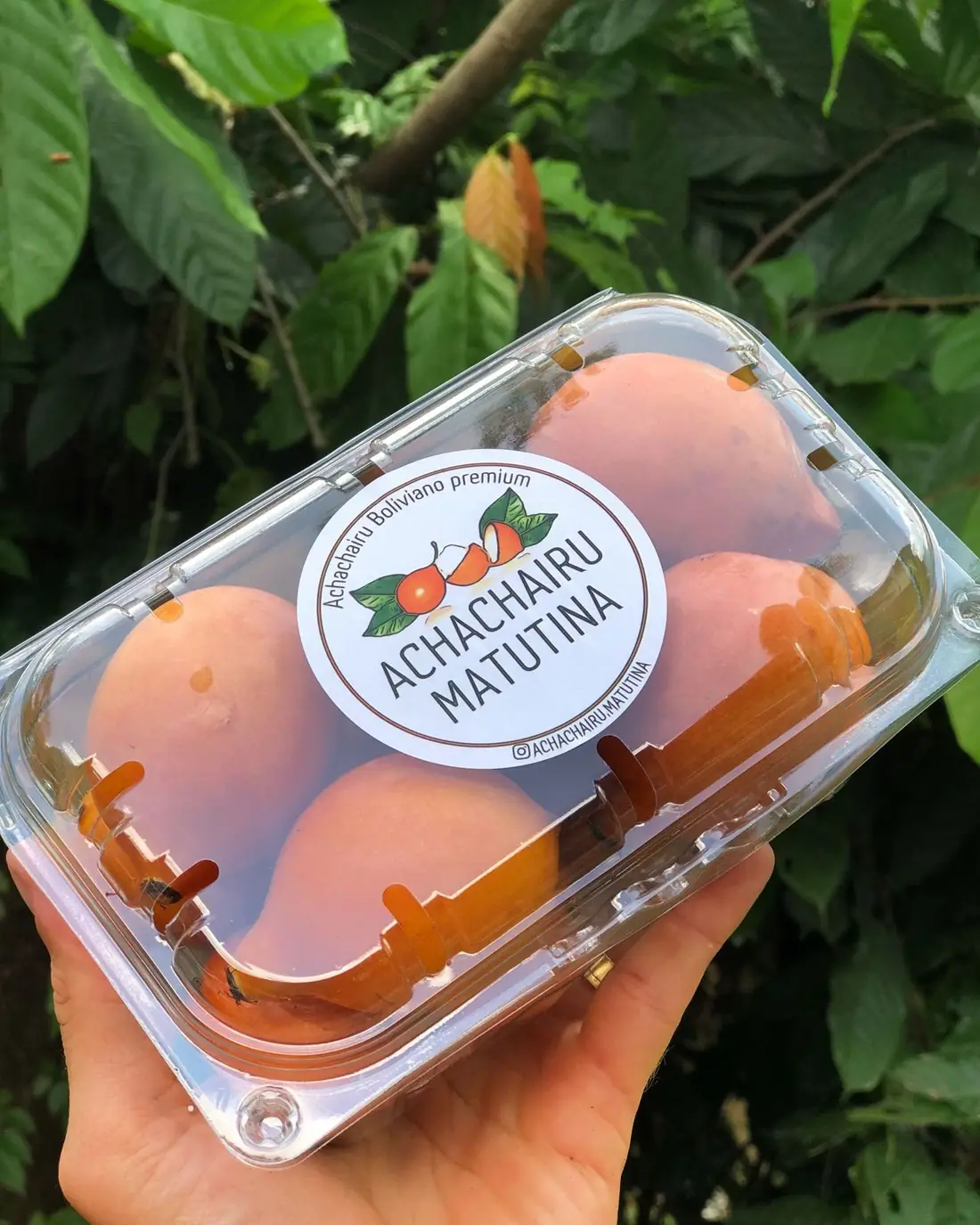
Orange, smooth and firm on the outside. It protects the fruit and is what makes it travel well.
Just break the skin: it splits in half, no knife needed.
Soft and juicy, loose from the skin, with a seed in the middle.
That is what achachairu means in Guarani. Sweet, with a citrus touch.
The other name
In Bolivia and Brazil it is called achachairu, a Guarani word meaning honey kiss. Abroad, especially in Europe, the name arrives shortened: without its last three letters, the fruit is sold as achacha.
It is the same fruit. Why the fruit has two names.
Why it is rare
Seven years to the first fruit. Three months of harvest a year.
A mature orchard is something money cannot hurry
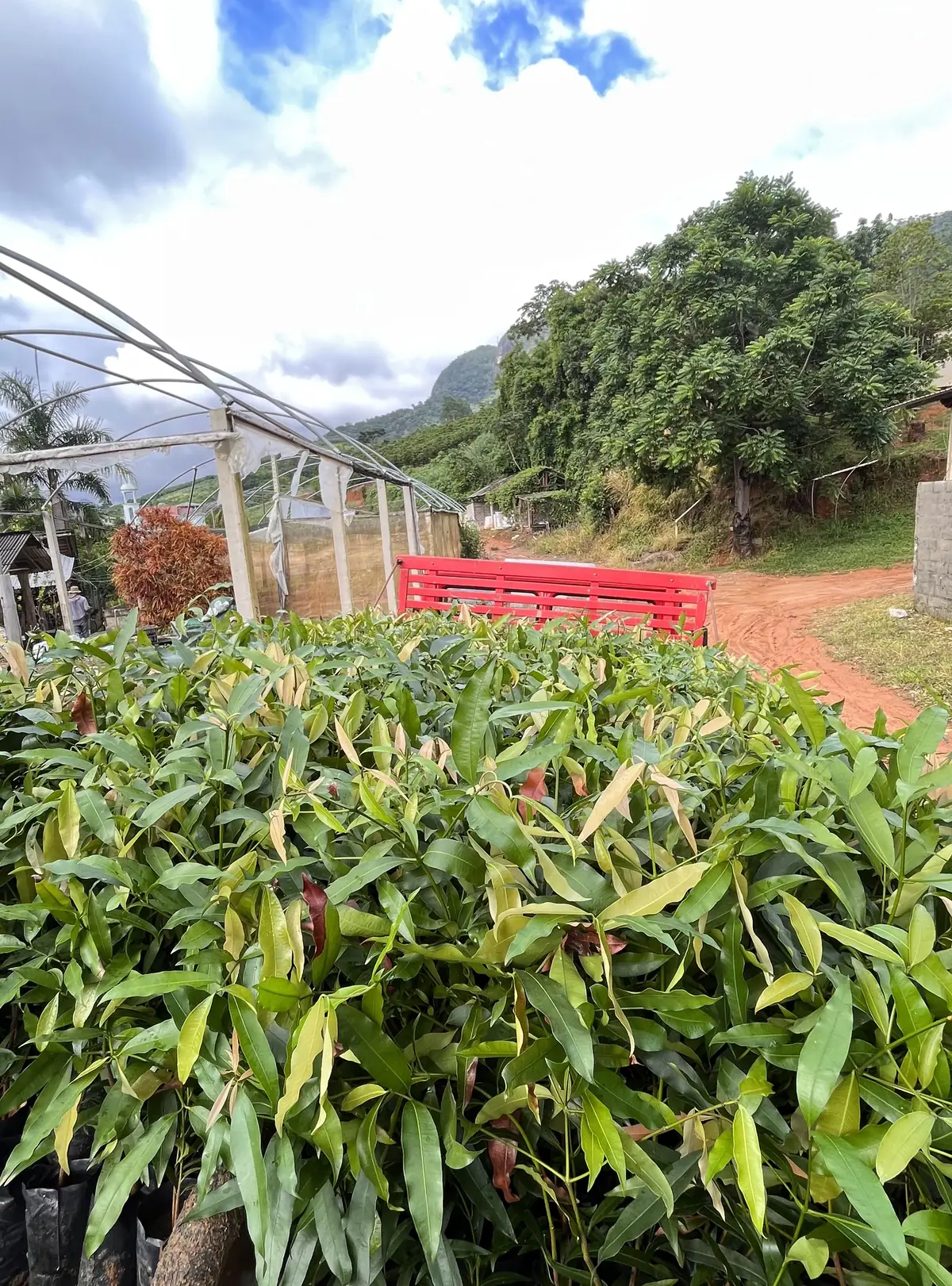
The seedling goes into the field.
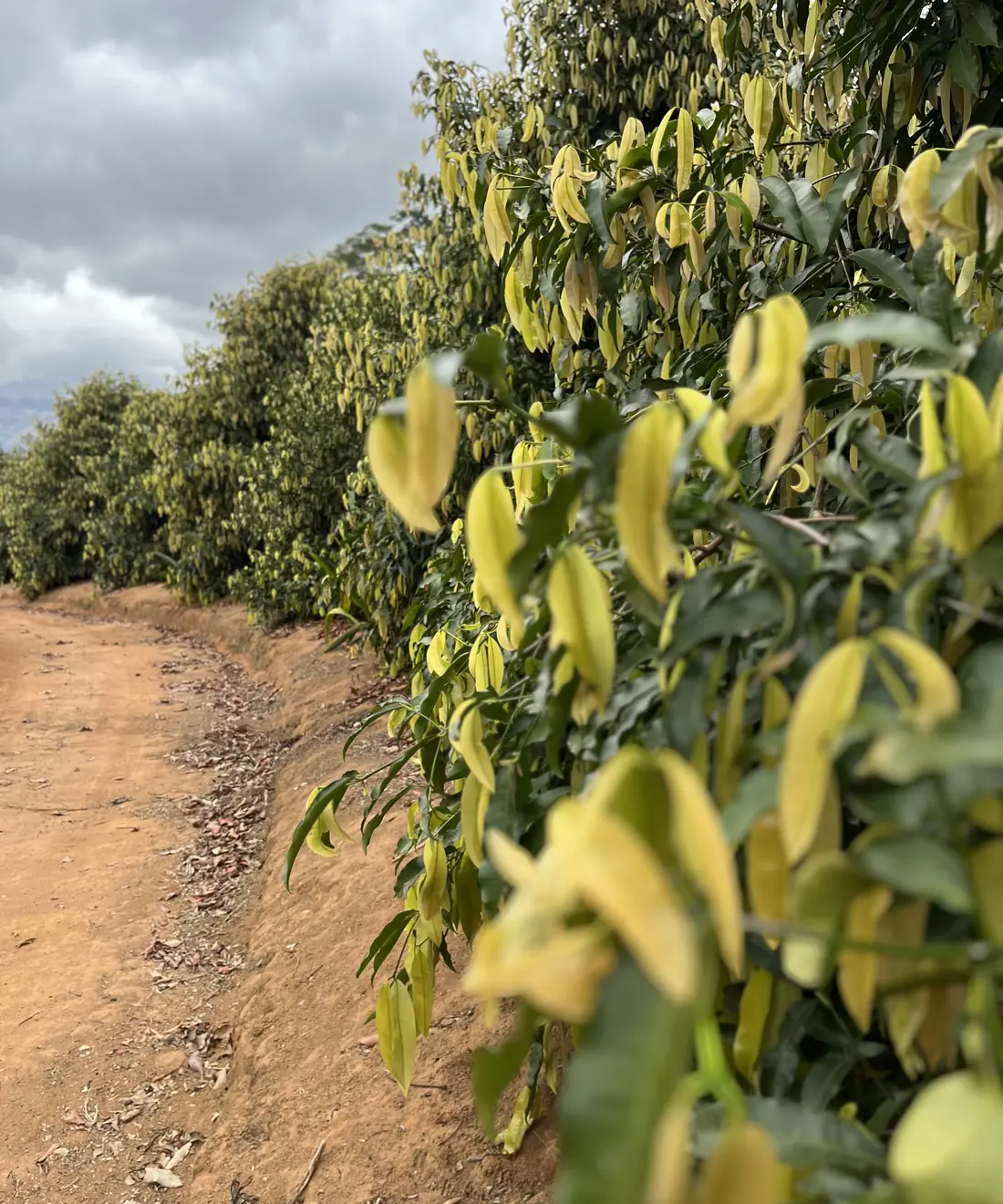
The tree grows slowly. Still no fruit.
In the seventh year, the first harvest.
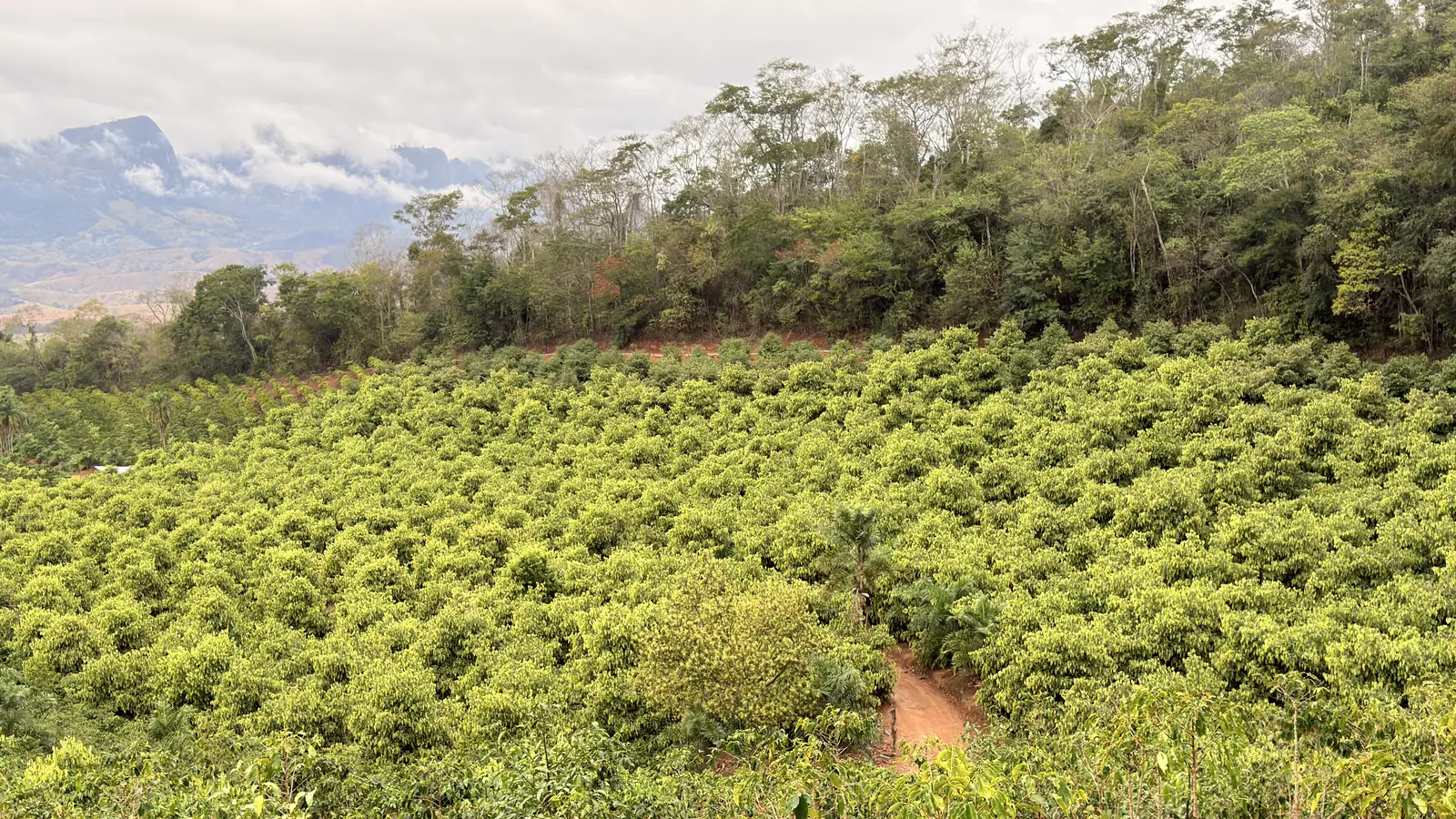
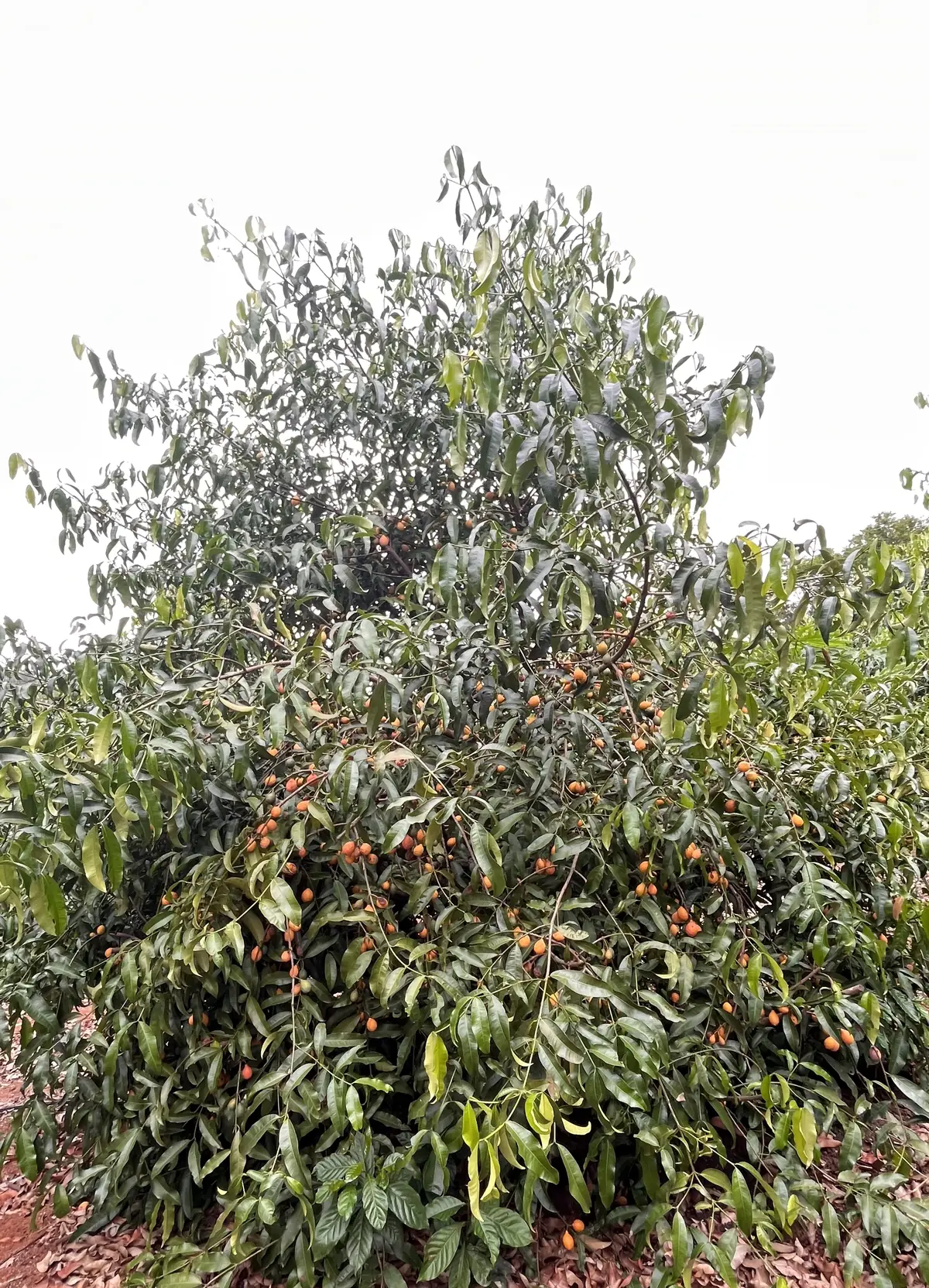
Today there are 5,000 trees on 18 hectares, in the district of Matutina. The forecast is 20,000 trees by 2030.
From tree to box
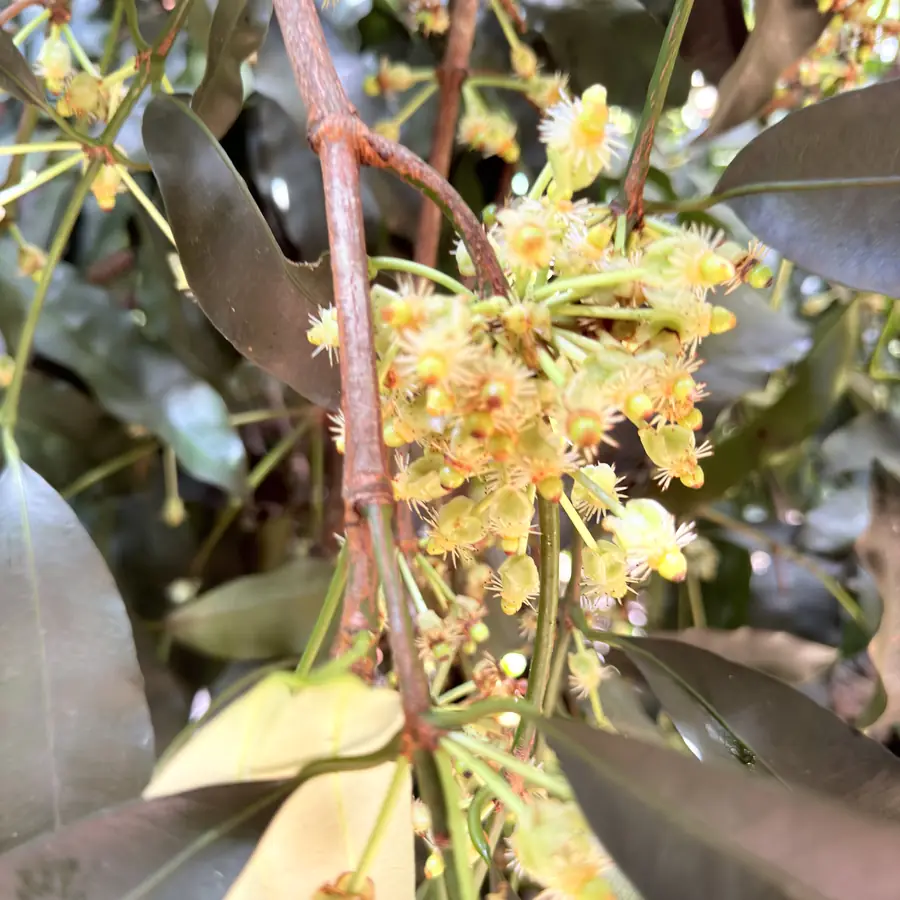
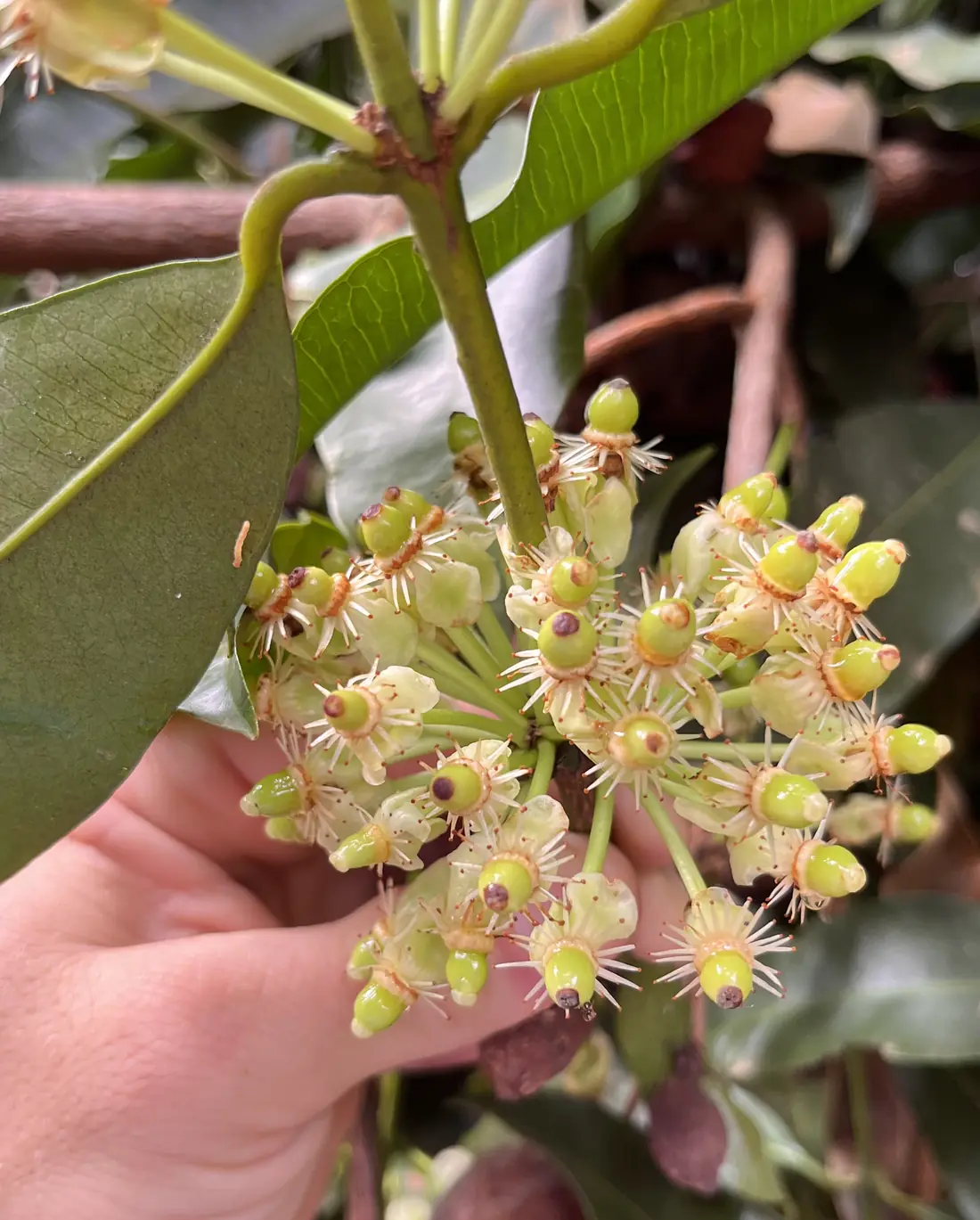
The flowers come out in clusters, straight from the branches.
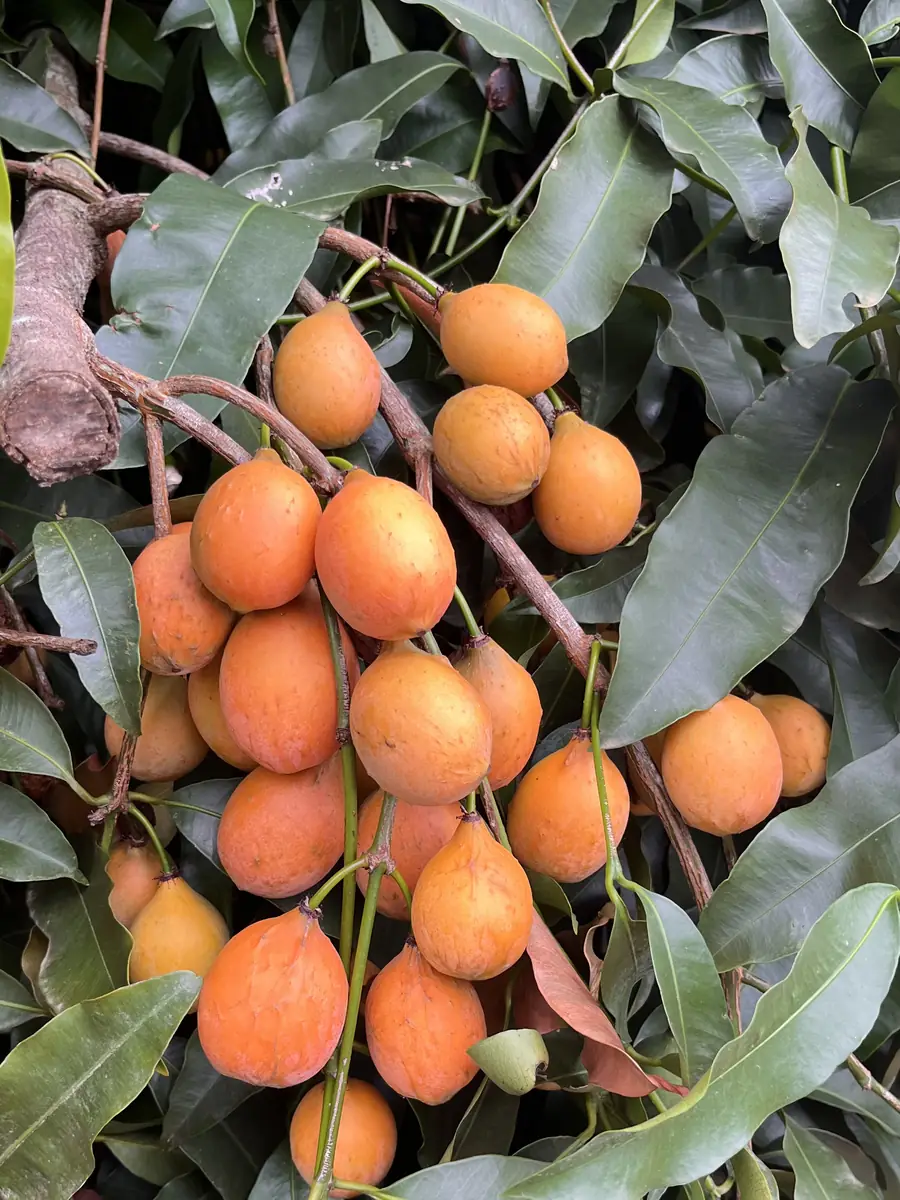
The fruit ripens on the tree, from green to orange.
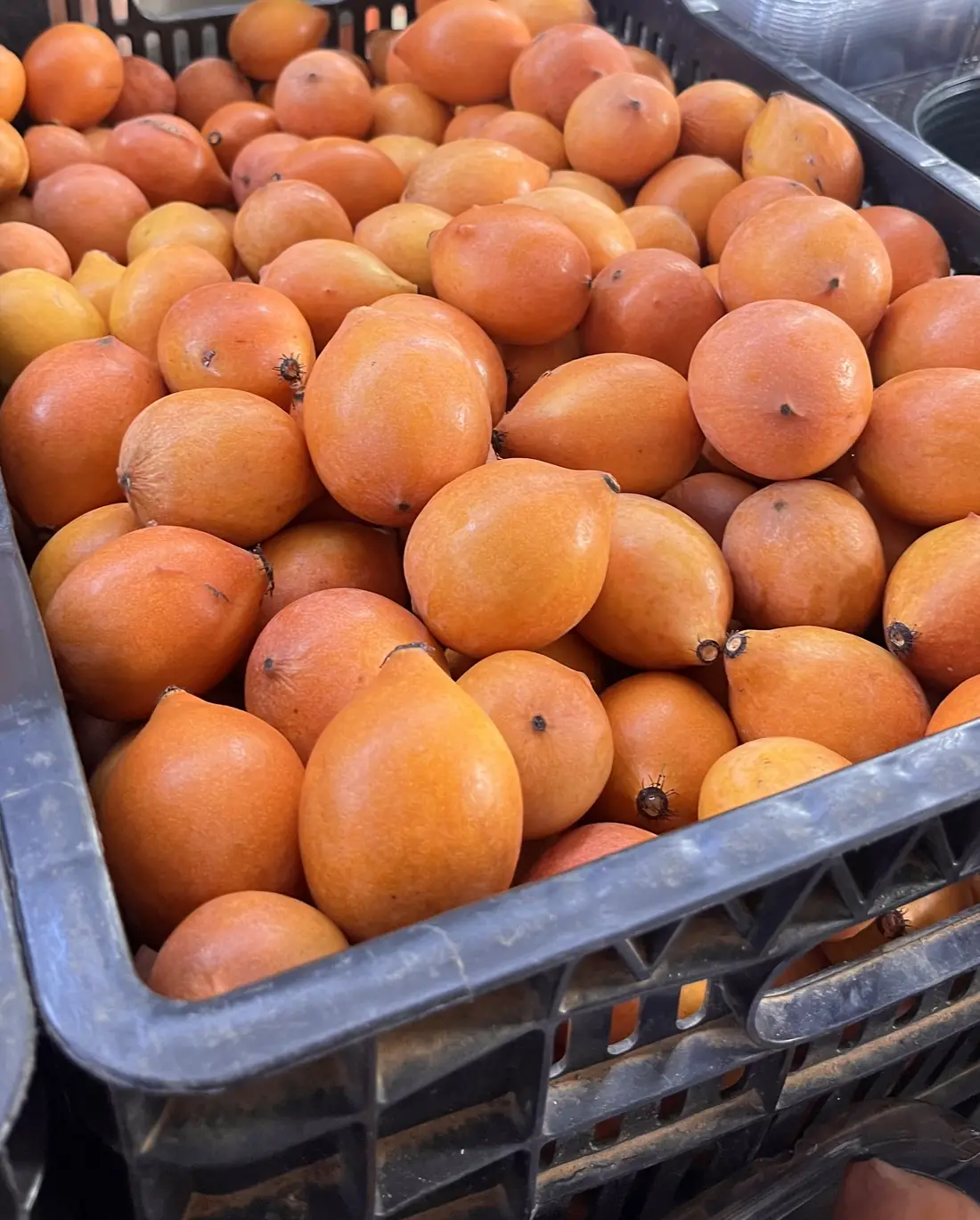
From February to April, the crates come in full from the orchard.
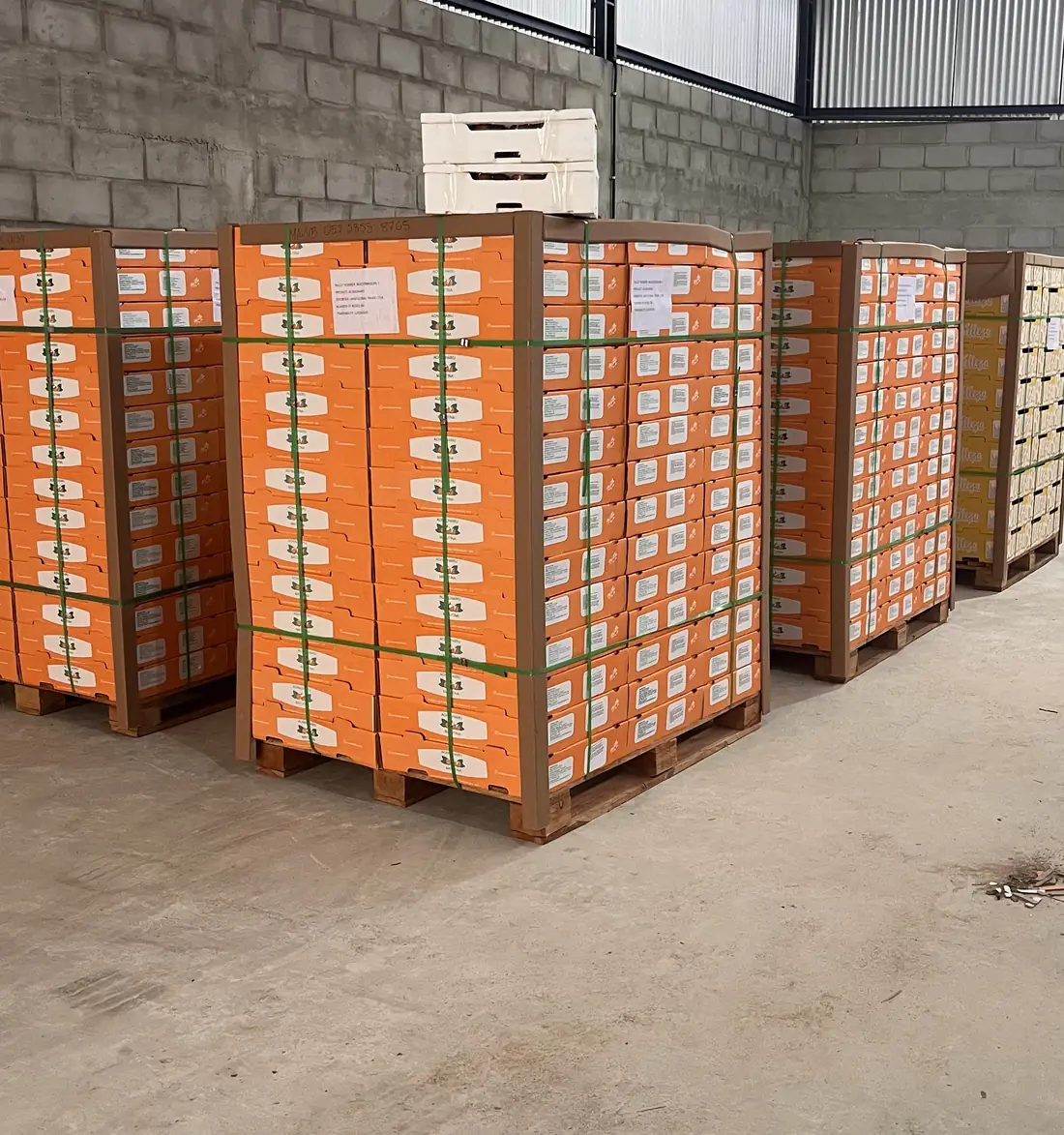
In Itarana, the fruit is packed and shipped across Brazil and abroad.
Quality checked
The orchard and the packing of the fruit went through an on-site audit by QIMA, a certification body accredited by GLOBALG.A.P., the international standard for good agricultural practice.
GLOBALG.A.P. IFA
Food safety, traceability from tree to box, care for the environment and for the people who work here, checked in the field and in packing.
GRASP
Assessment of working conditions, including interviews with workers. Family-owned farm.
At grading, good fruit is:
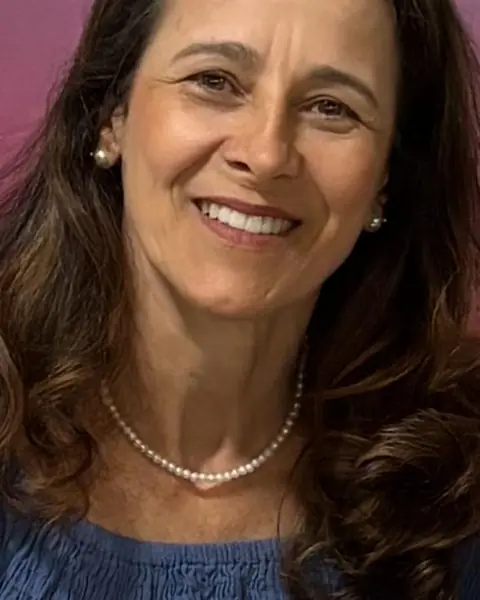
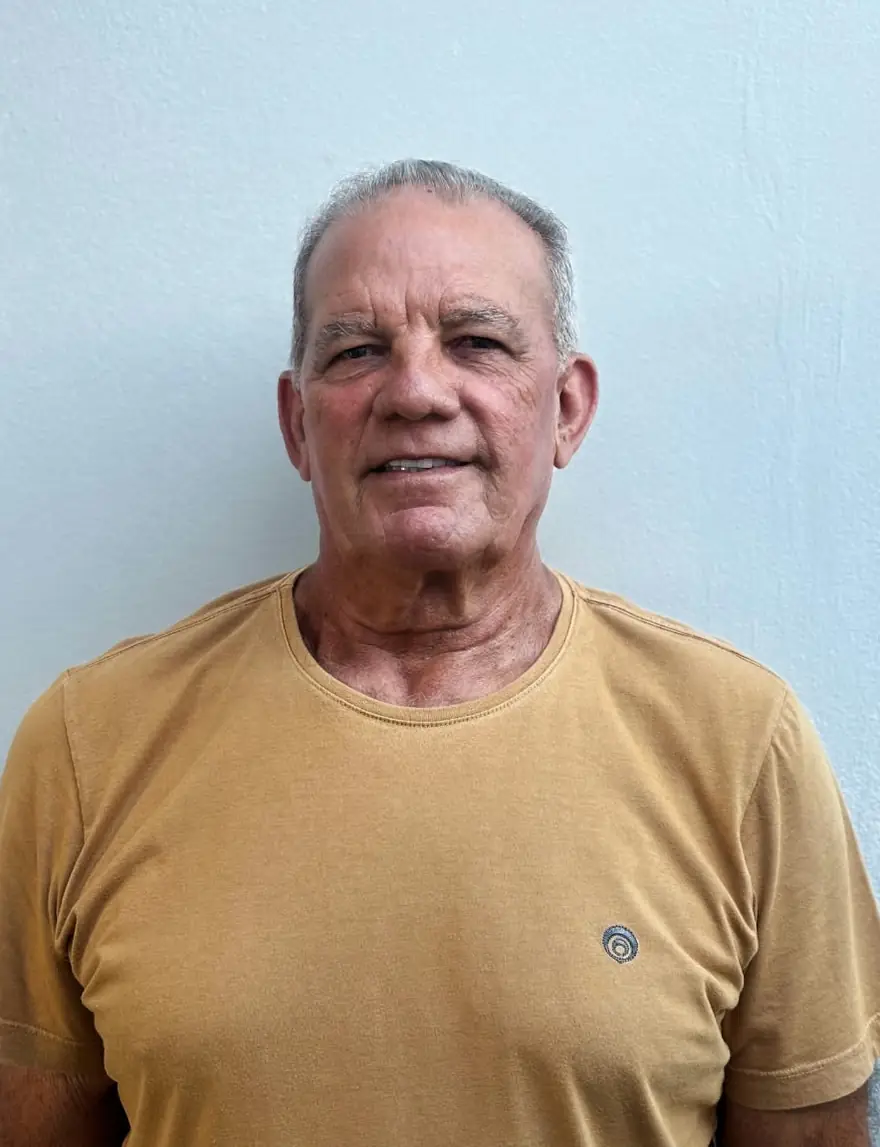

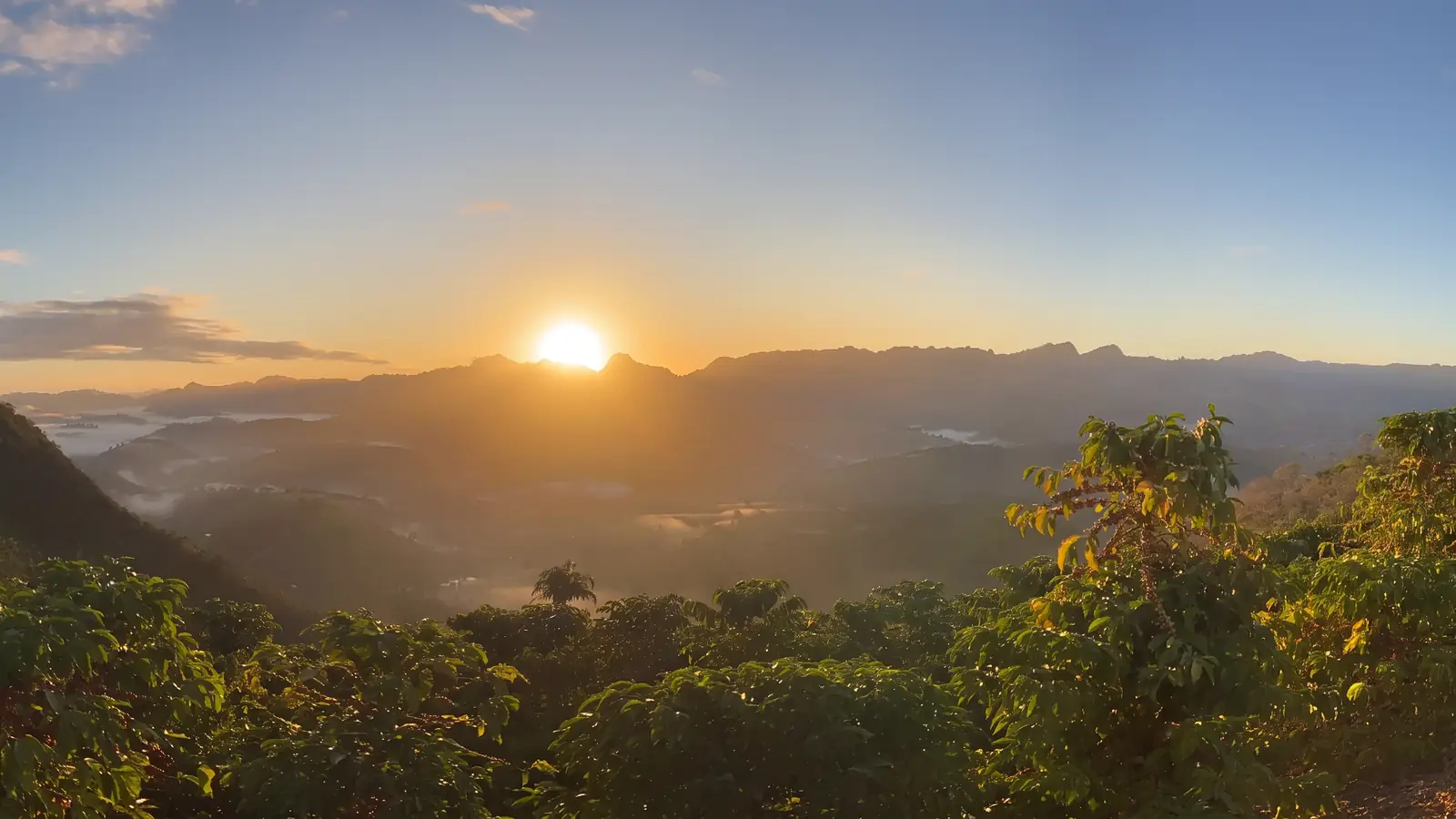
More than 25 years ago, a relative brought seeds from Bolivia. Native to the Bolivian Amazon, the fruit found a place where it thrived in the tropical climate of the Itarana hills.
It started small. Abel, his father and his mother did everything: one whole day harvesting, the next packing, under a tent in the yard behind the house.
The fruit was still unknown in Brazil, and someone had to introduce it.
“I left home at 2 a.m. and went to a street market in Vitória.”
Abel Basílio
It was the first harvest, and nobody knew the fruit yet. He went to introduce it to the public himself.
From then on, the family took on the work of building the achachairu market from scratch and taking the fruit to Brazil and the world.
Season
No peaks across the three months. There is no minimum booking period, but supply is limited: those who book first get priority.
For buyers
Where it goes